

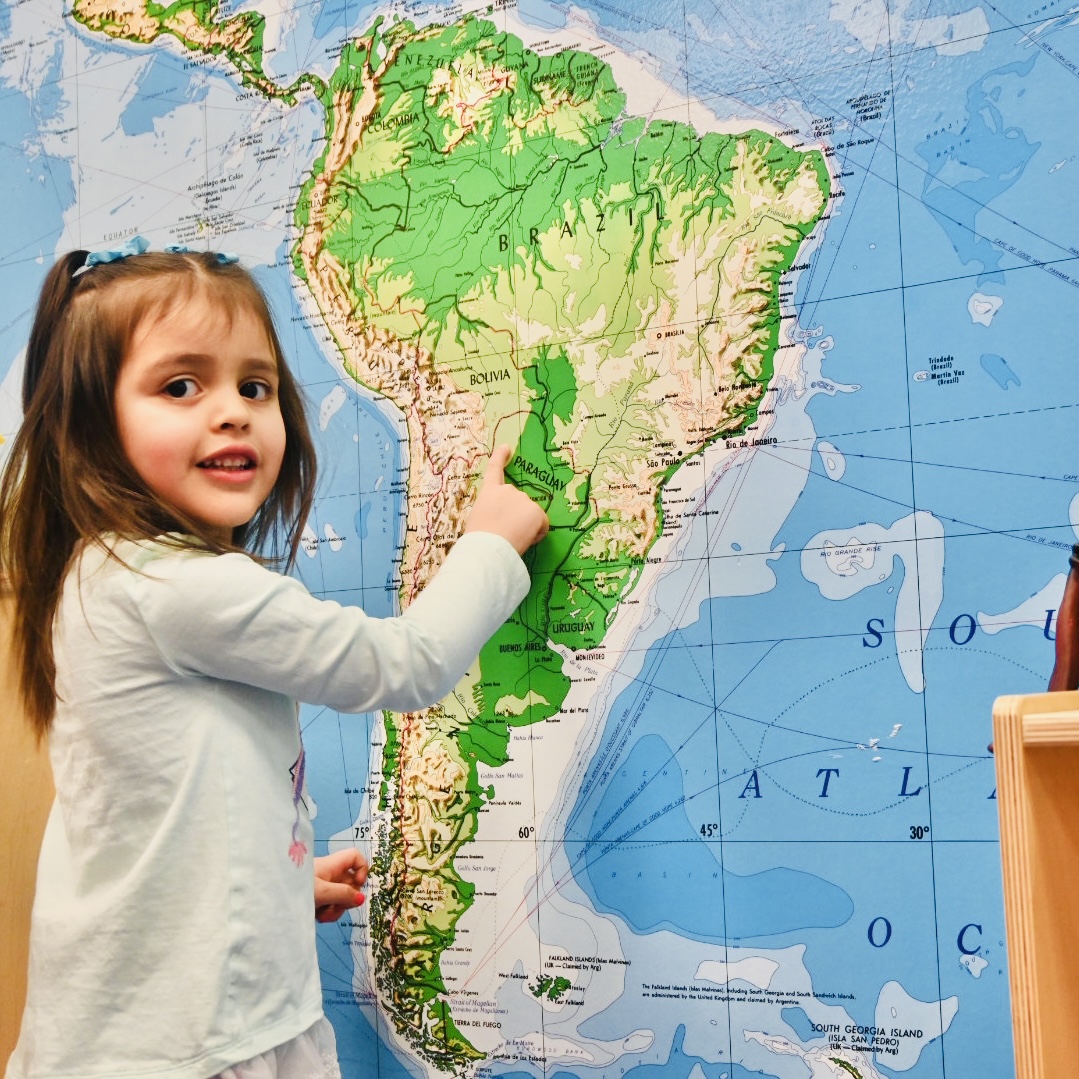
As families compare Spanish immersion vs. traditional preschool, many wonder which environment truly supports long-term development. While traditional preschools offer foundational academics and social experiences, Spanish immersion programs—like Rayito de Sol provide all those benefits plus the lifelong advantages of bilingualism. For children ages 1–6, immersion offers unmatched language, cognitive, and cultural growth.
Here’s a side-by-side look at what sets immersion apart and why it’s considered the gold standard for early childhood education.
How Spanish Immersion Works
In a Spanish immersion toddler program, children are surrounded by Spanish throughout their entire day—during lessons, meals, play, and social interactions. Teachers use gestures, repetition, songs, and context-based language to help children understand and communicate naturally.
This creates an experience that mirrors first-language acquisition, meaning children learn Spanish without memorization, pressure, or translation.
Do Spanish Immersion Schools Work?
Parents often ask, “Do Spanish immersion schools work?” The answer is a resounding yes.
Research shows that immersion:
- Produces higher levels of bilingual fluency
- Develops stronger accents and pronunciation
- Improves reading skills in both languages
- Enhances problem-solving and working memory
- Increases cognitive flexibility and creativity
Children enrolled at Rayito de Sol begin using Spanish words and phrases within weeks—and comprehension develops even faster.
Traditional Preschool vs. Immersion: Key Differences
1. Language Development
Traditional preschools focus only on English, limiting a child’s linguistic environment.
Immersion preschools provide full Spanish exposure during the critical period when the brain is primed for language learning.
2. Cognitive Benefits
Research shows that immersion students demonstrate:
- Better attention control
- Stronger executive functioning
- Enhanced listening skills
Traditional preschools simply cannot offer these cognitive advantages.
3. Cultural Awareness & Social Skills
Spanish immersion introduces children to Hispanic traditions, music, celebrations, and communication styles—building empathy and cultural competence early.
Traditional preschools may cover culture, but immersion makes it a lived, daily experience.
4. Long-Term Academic Success
Immersion programs build stronger literacy skills, better reading comprehension, and higher academic performance through elementary and high school.
Why Spanish Immersion Is Especially Effective for Toddlers
Early childhood is the most powerful window for language learning. A Spanish immersion toddler program leverages:
- Sensitive brain periods for phonetic learning
- Play-based learning that embeds language naturally
- Daily repetition that accelerates vocabulary
Young children quickly understand routines, follow directions, and use Spanish to communicate without stress or confusion.
The Rayito de Sol Difference
At Rayito do Sol schools, Spanish immersion is more than curriculum—it’s a full cultural experience. Teachers create a warm, encouraging environment where every child gains confidence in both Spanish and English. Parents consistently report improved communication skills, stronger social interactions, and greater enthusiasm for learning.
Schedule a tour at our one of our schools to see how we can best serve you and your child.